Sales Methodology
How to Evaluate an AI Sales Agent: A 12-Point Business Checklist
A fluent answer is not enough. Test account identity, evidence, access, commercial claims, approval, idempotency, read-back, and recovery.
KnowSales Team··4 min read
Deep insights, best practices, and product updates in sales enablement
Practical guides & templates
Choose the task in front of you and turn your reading into a customer reply you can check.
Follow a worked example from source notes to a checked customer reply.
Review eight content types, ownership and validity with a fillable checklist.
Explore existing MCP connections, use cases and operating boundaries.
A fluent answer is not enough. Test account identity, evidence, access, commercial claims, approval, idempotency, read-back, and recovery.
Sponsored Agents are a limited advertising test. For B2B teams, the durable work is creating verifiable product answers with scope, sources, and ownership.
AI can draft inside Word, but reliable sales proposals still require the right account, current product evidence, commercial boundaries, and human review.
Real-time voice AI can capture a conversation. A reliable call-to-CRM workflow still checks account identity, conditions, source evidence, and the right record type.
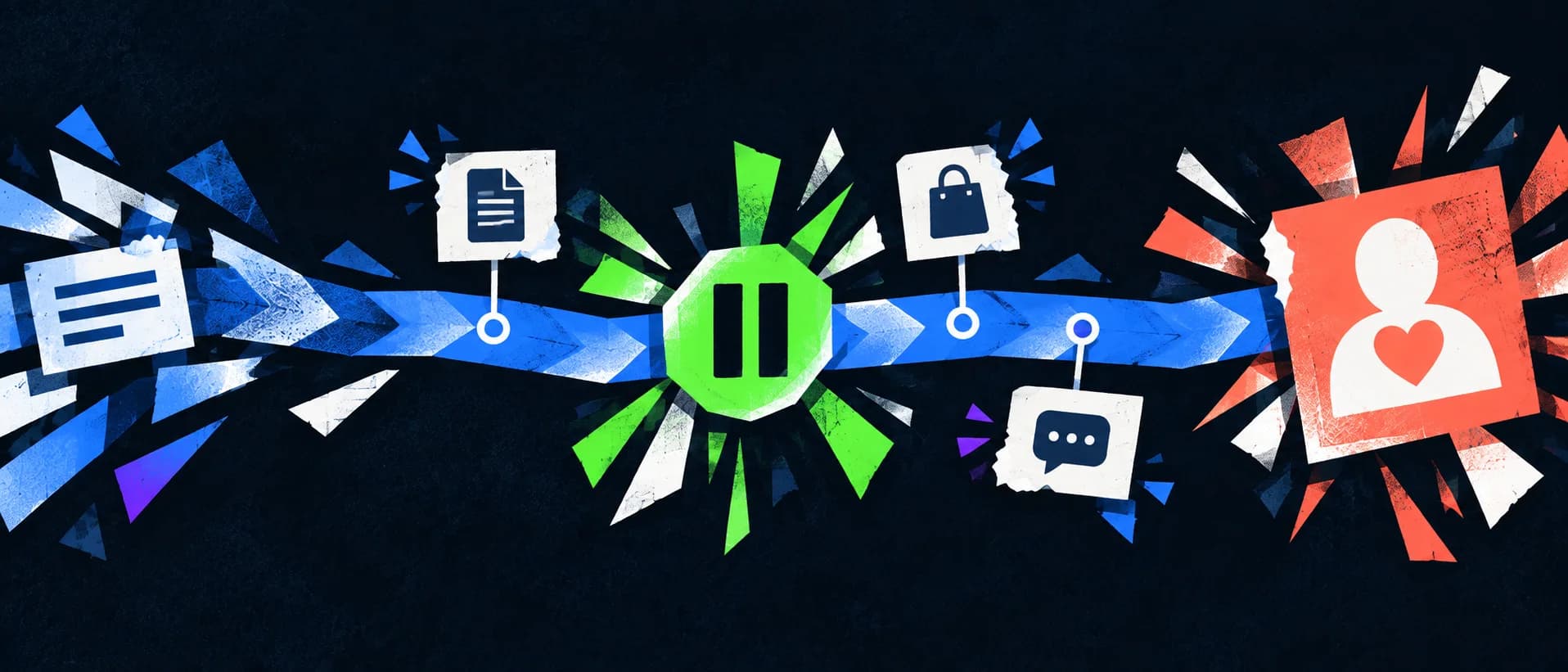
Long-running agents can resume a task. Sales teams also need customer identity, evidence, current status, and safe CRM write-back to survive the pause.
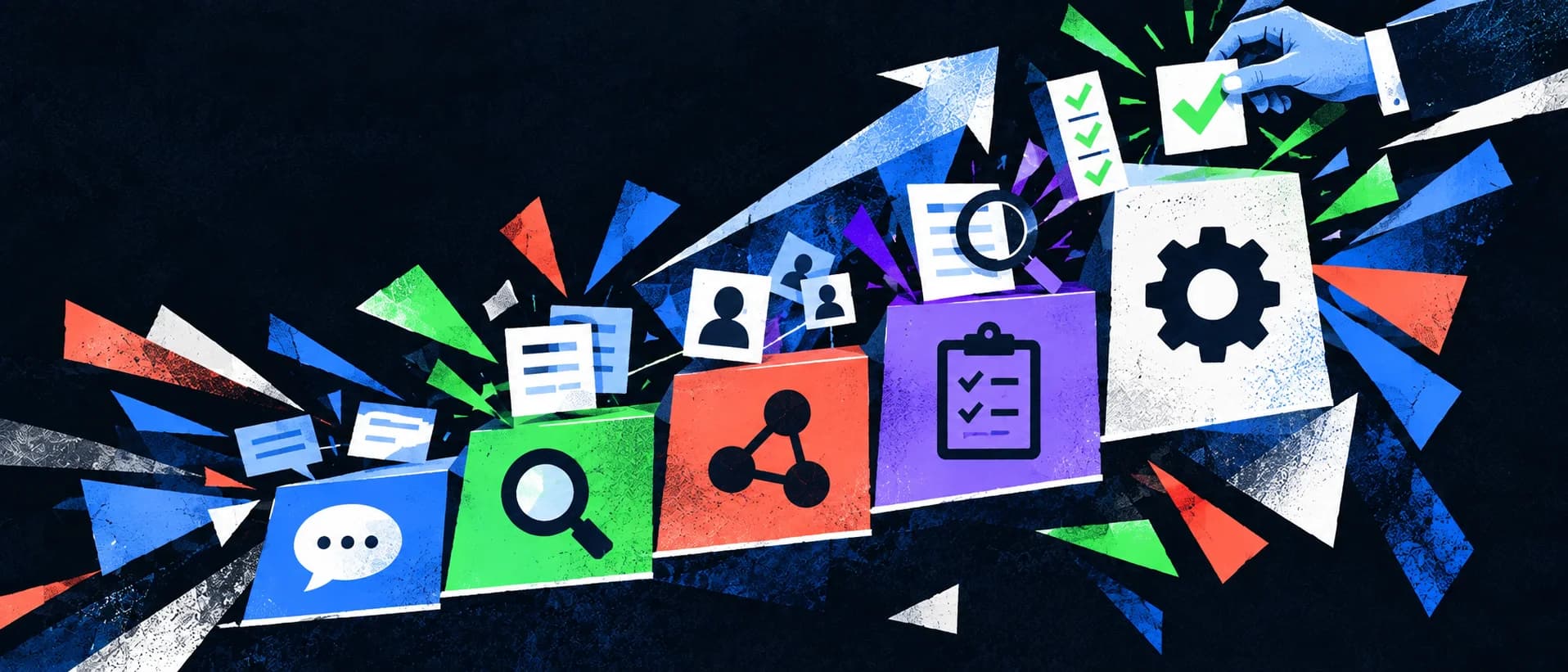
Use five practical levels—writing, retrieval, context, controlled action, and improvement—to decide what your sales team should build next.
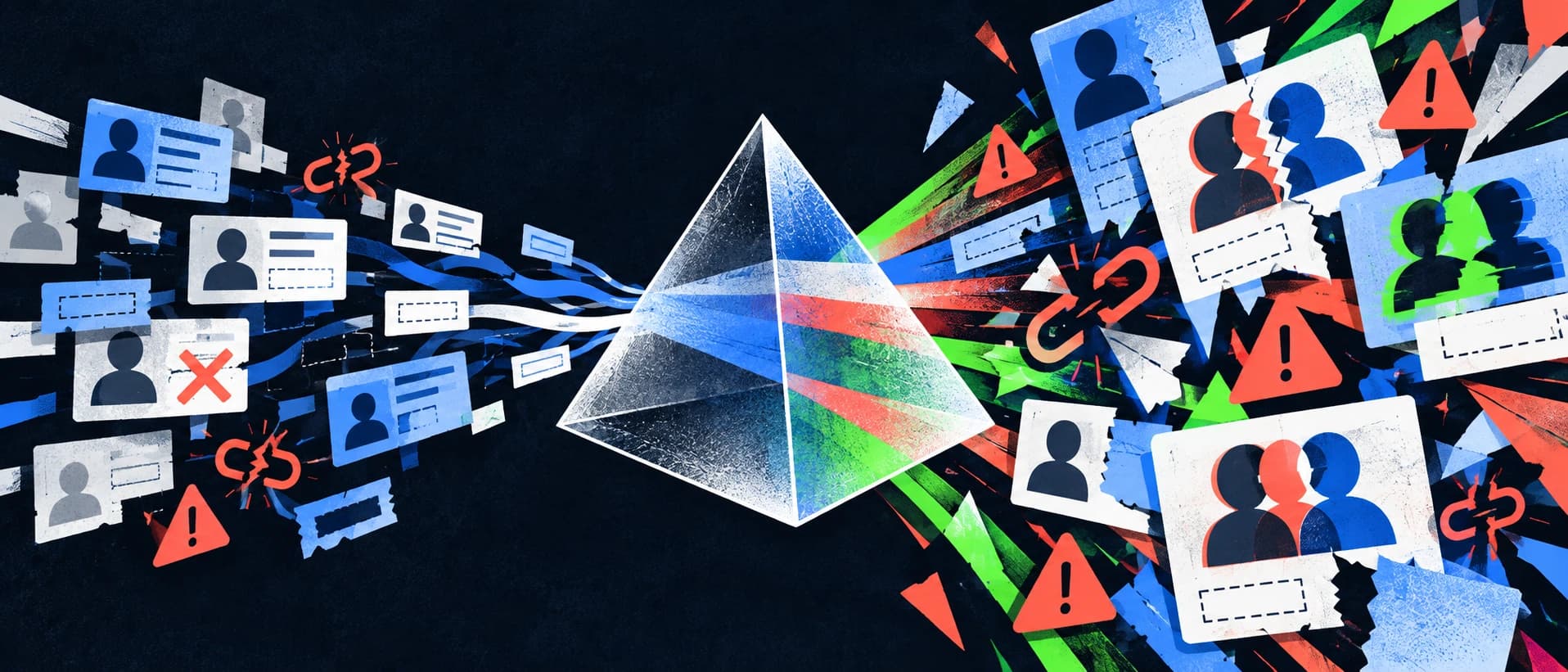
A practical CRM data-hygiene framework for AI sales agents: identity, profile versus activity, source evidence, safe writeback, and recovery.

ChatGPT Work, sales plugins, and connected agents can act across CRM and email. Learn why durable customer memory remains the missing layer.

Business translation is not enough for global B2B sales. Learn how an AI writing workspace can localize tone while preserving commercial facts.

A governance model for separating personal notes, shared sales knowledge, customer records, and external content in an AI knowledge base.

A practical framework for using an AI sales data agent to diagnose pipeline risk without confusing dashboards, activity, and evidence.
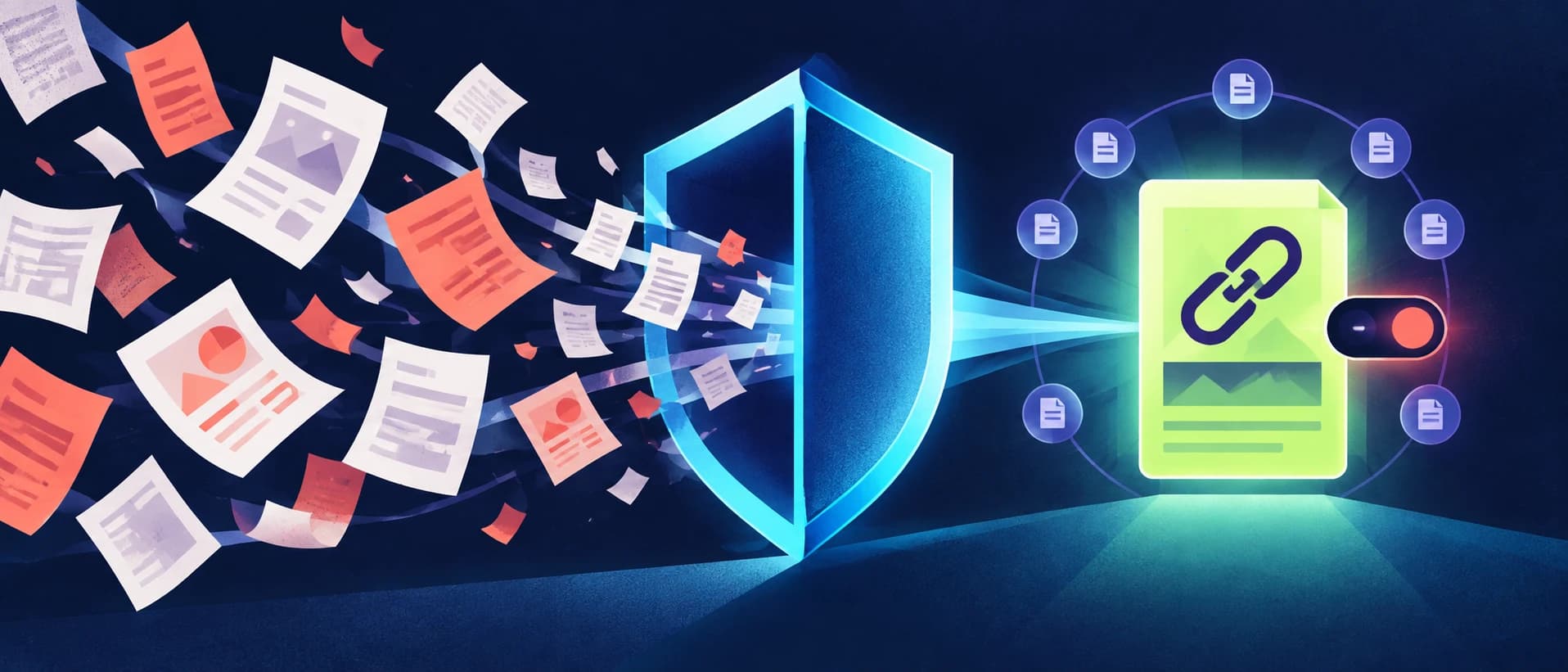
A safer B2B knowledge-sharing workflow using customer-ready links, clear source context, revocation, and content boundaries instead of attachment sprawl.
What recent ChatGPT Apps, Claude Connectors, Gemini Enterprise, WorkBuddy, and Alibaba Cloud Model Studio updates reveal about MCP as a shared interface for enterprise data and tools.
A verified KnowSales MCP workflow for Claude Code and Cowork: retrieve customer profiles, product knowledge, and communication history, then write and read back a controlled activity.

A verified guide to using Codex, Claude Code, Cowork, WorkBuddy, Qwen, and other AI agents with KnowSales customer profiles, product knowledge, and communication history through MCP.
A practical governance checklist for sales AI agents that access CRM, customer records, product knowledge, and external tools.
Use an AI follow-up dashboard to organize overdue actions, today's work, upcoming plans, pipeline stages, and explainable dormant-account alerts.
AI sales answers should be traceable, not merely fluent. Learn how citations reduce sales risk and what to test before choosing an AI assistant.
A practical guide to AI analysis of sales spreadsheets, Word specifications, PDFs, and images, including structure, citations, and limitations.
A sales AI framework for connecting Codex, Claude Code, Cowork, WorkBuddy, Qwen, and other MCP clients to one durable sales context layer.
Compare Notion, Glean, Guru, CRM AI, and KnowSales, including how an MCP sales context layer connects Codex, Claude Code, Cowork, WorkBuddy, and Qwen.
A least-privilege approach to letting partners use verified product knowledge from familiar AI workspaces while controlling scope, tools, revocation, and audit.

Combine current web information with internal customer history without mixing public signals, CRM facts, and AI inference into one unsupported conclusion.

Before an AI sales agent writes to CRM, require a write plan with target object, evidence, change type, confirmation, readback, and rollback.

A layered AI Sales OS stack for B2B teams: source evidence, workflow, sales memory, lightweight tracking, and specialist modules.

A practical three-layer architecture for giving AI sales agents persistent memory with MCP, SalesFlow, KnowSales, and lightweight tracking.

A before/after guide to 8 repetitive sales tasks SalesFlow can standardize: research, summaries, follow-ups, prep, battlecards, pipeline, and quotes.

Before AI writes WhatsApp or WeChat sales leads to CRM, build a hard-fact ledger from per-thread history and confirm the write plan.

SalesFlow is an open-source bilingual sales workflow plugin for evidence-grounded account research, call summaries, follow-ups, and write plans.
The 7 most common objections foreign trade buyers raise — from price and MOQ to payment terms and factory audits — with real WhatsApp and email response examples your team can adapt and reuse.
You built the knowledge base — but how do you know it's working? These 6 measurable metrics give sales managers a data-backed way to prove the ROI of their knowledge investment, from new rep ramp time to AI answer accuracy.
Sales playbooks and sales knowledge bases are often confused or treated as the same thing — but they serve different purposes. This guide clarifies the core distinction, when each one matters most, and how AI changes the equation.
A practical sales knowledge base checklist with a downloadable CSV: eight content types, sources, owners, validity checks and sharing boundaries.

Why do AI office tools get read as surveillance? The key design question is whether the product serves frontline work before management visibility.

How powerful Salesforce and HubSpot are isn't today's question. The real question: can a CRM designed around tables and pipelines become the AI-era sales brain your team needs?

The most critical B2B sales conversations happen in WhatsApp and chat groups, not in CRM. Here are 4 paths to bring AI assistance into those conversations — and what each one actually delivers.

Enterprise AI value depends on more than the model. This guide shows how to test customer, product, and communication context in sales workflows.

Even OpenAI struggled with tribal knowledge that couldn't escape the heads of individual engineers. This problem is more common — and more costly — in sales teams. Here's how to crack it.

Anthropic's Model Context Protocol is reshaping how AI tools connect. For sales teams, it's the difference between a generic AI assistant and one that actually knows your business.

Your top salespeople carry irreplaceable knowledge in their heads. When they leave, it's gone. AI-powered knowledge compound interest turns every successful conversation into a compounding team advantage.

Comparing AI capabilities across Notion AI, Mem, Reflect, and Obsidian plugins with KnowSales' AI Insight Reports — how 'AI-driven pattern analysis' is transforming the way knowledge workers think.

A deep analysis of knowledge graph implementations in Obsidian Graph View, Roam Research, Logseq, and Heptabase — comparing manual linking versus AI-driven association discovery, and how KnowSales uses vector similarity to automatically weave knowledge networks.

Comparing Anki-style spaced repetition, Obsidian daily notes, and Readwise highlight reviews with KnowSales' AI-driven knowledge review system — why vector-similarity-based smart recommendations represent the next paradigm in personal knowledge management.

How the MCP protocol is reshaping knowledge base products — from document systems built for humans to knowledge services callable by AI Agents. How KnowSales serves both human users and AI Agents, unlocking dual value from your knowledge base.

A deep comparison of KnowSales and Notion AI across semantic retrieval, vector search, bidirectional read-write, and MCP integration — helping sales teams choose the right AI knowledge management solution.

A technical breakdown of OpenClaw's File-First hybrid retrieval memory system versus KnowSales' structured vector knowledge base — analyzing two AI knowledge management paradigms, their ideal use cases, and how they complement each other.

A deep dive into the 6 major types of sales objections and 18 response approaches to adapt and test to help sales teams confidently address customer concerns and improve close rates.

Five key trends shaping how AI is transforming sales enablement in 2026 — evolving from a support tool into a core strategic capability for sales teams.

Build a sales knowledge base around a real customer question. Follow a worked example, download a knowledge card, and check sources, limits and reuse.
An adaptable six-week sales onboarding plan: practice customer replies, verify product facts, reuse knowledge and measure progress with your own baseline.

KnowSales sales enablement platform is officially live. Four-island knowledge system + AI-powered answers help sales teams turn fragmented experience into reusable knowledge assets.